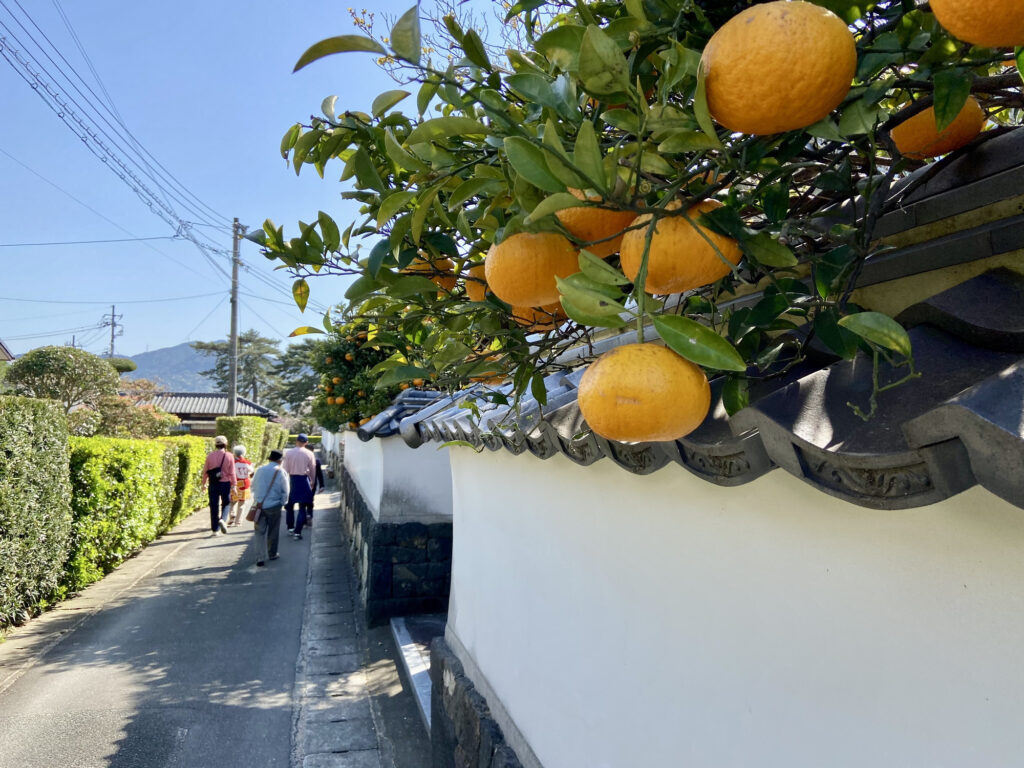
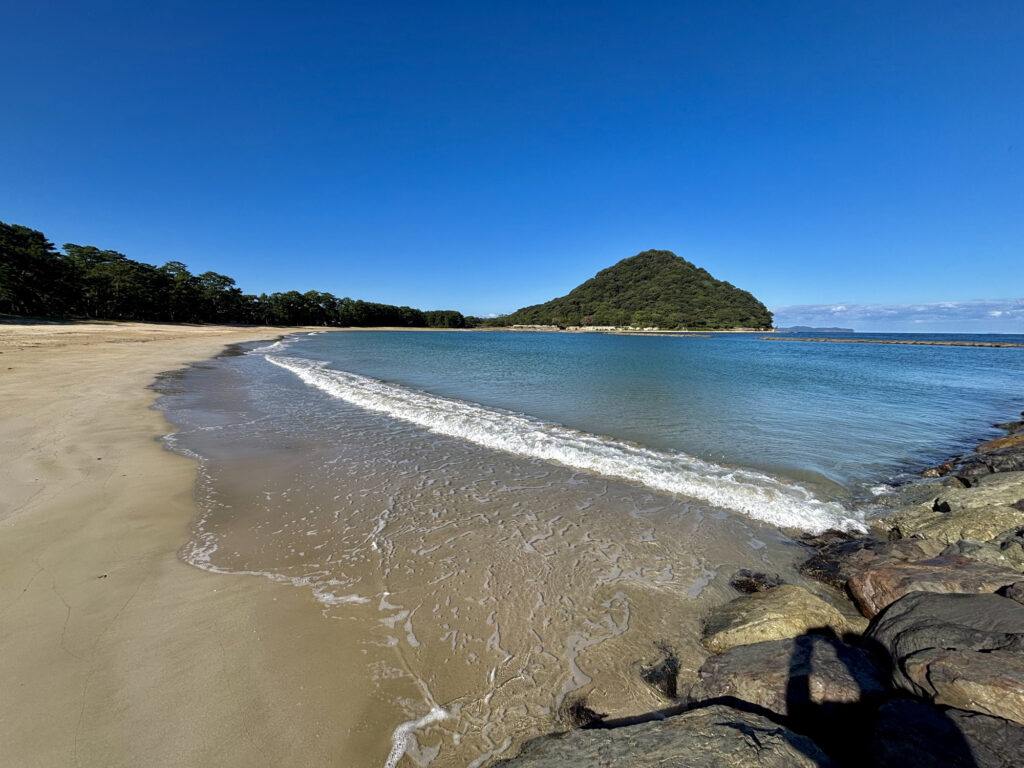
Hagi is a truly rare place on a global scale.
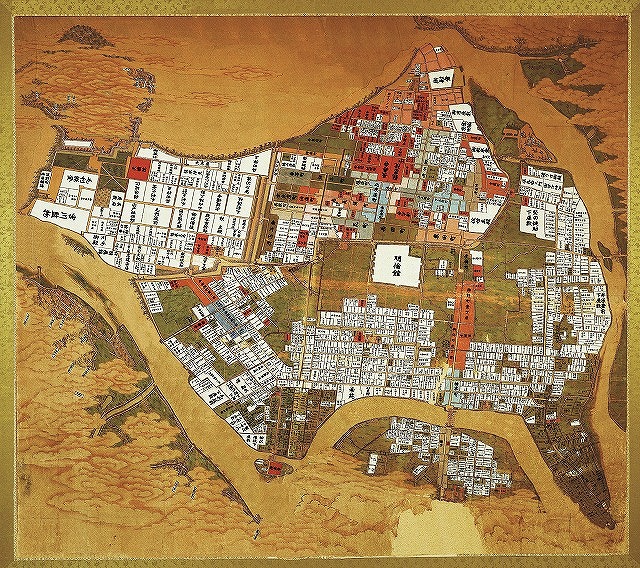
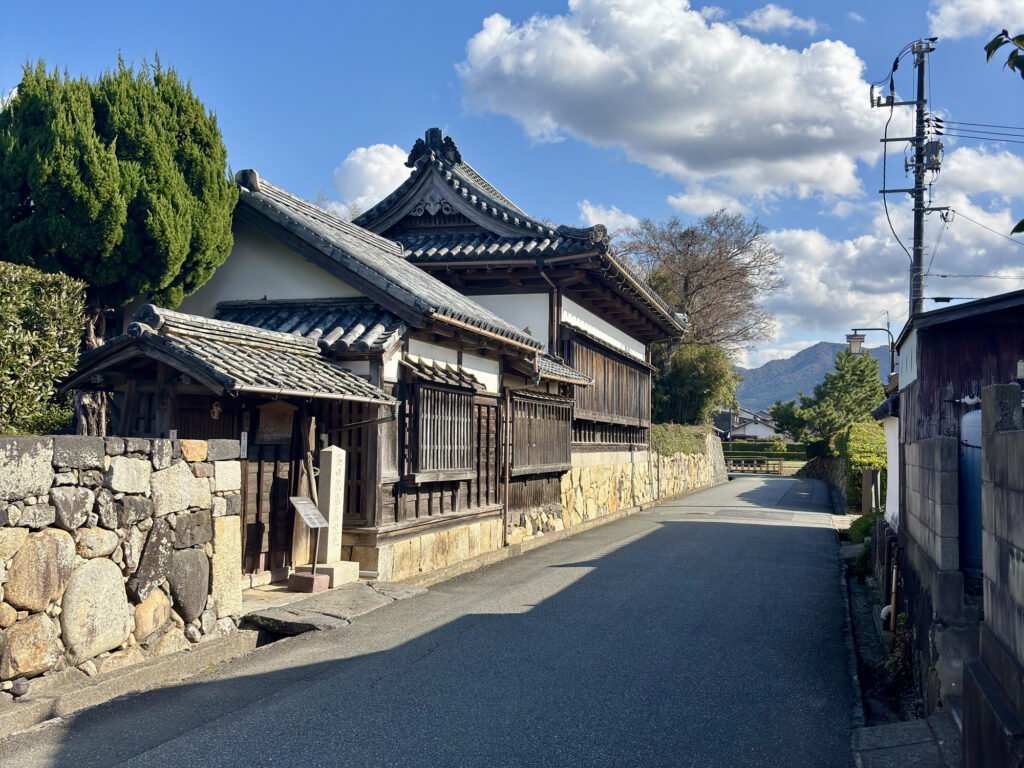
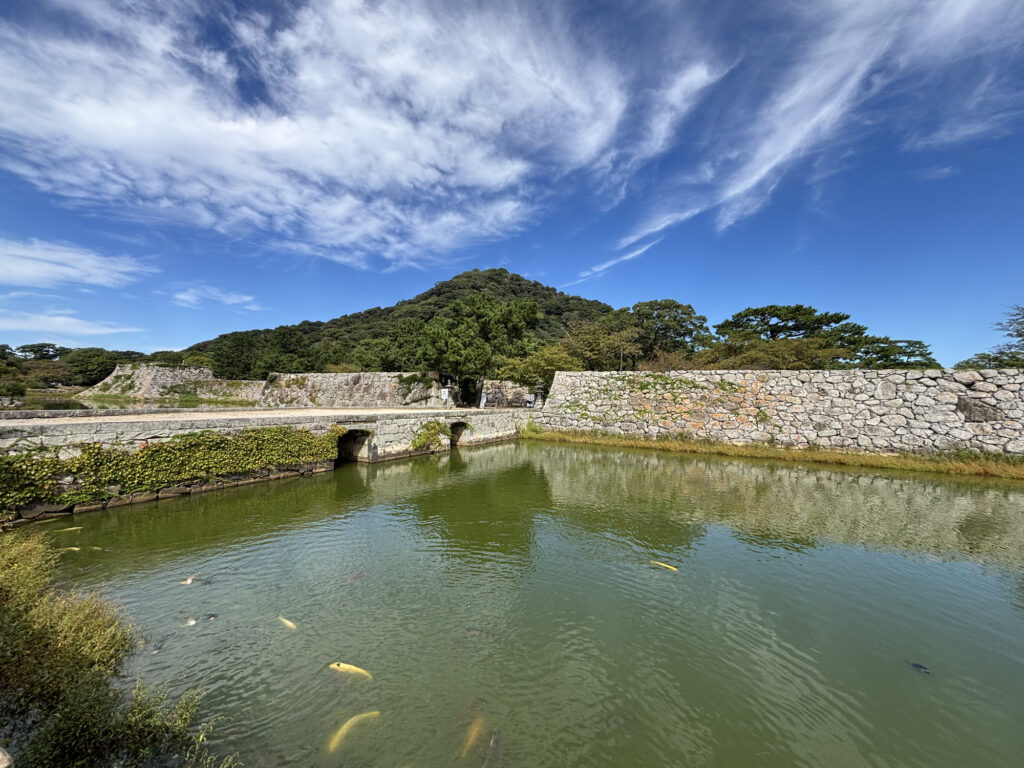
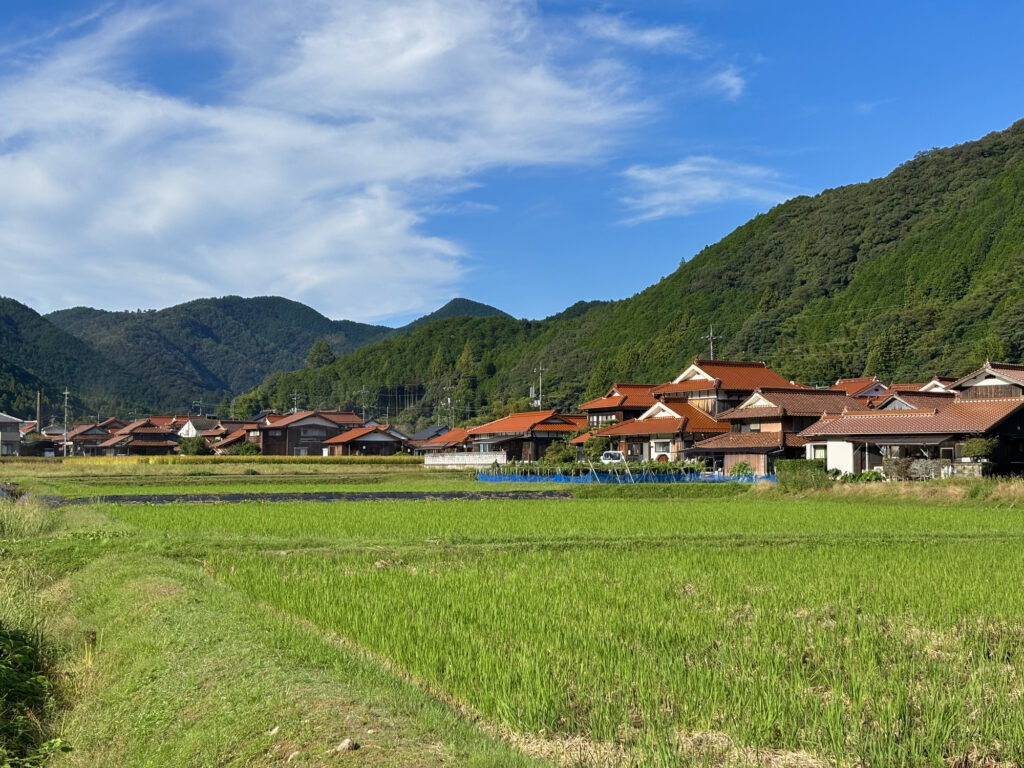
The layout of its castle town, established more than 400 years ago, remains almost perfectly preserved today. In fact, historical maps from that era can still be used to navigate the town. Alongside its castle and samurai districts, traditional Japanese countryside scenery—rice fields, the sea, and surrounding mountains—coexists within a compact and easily accessible area.
Hagi was one of the earliest towns designated under Japan’s Important Preservation Districts for Groups of Traditional Buildings system. Under this designation, an exceptionally large area of historic townscapes, including samurai residential districts, has been carefully preserved. The preserved area is approximately eight times larger than Kyoto’s, nine times larger than Takayama’s, and about twice the size of Kanazawa’s.
Meanwhile, Kyoto receives roughly 1,200 times, Takayama about 110 times, Kanazawa about 324 times, and nearby Hiroshima about 995 times as many international visitors as Hagi. As a result, these destinations have become well-known examples of overtourism, a challenge now recognized across Japan.
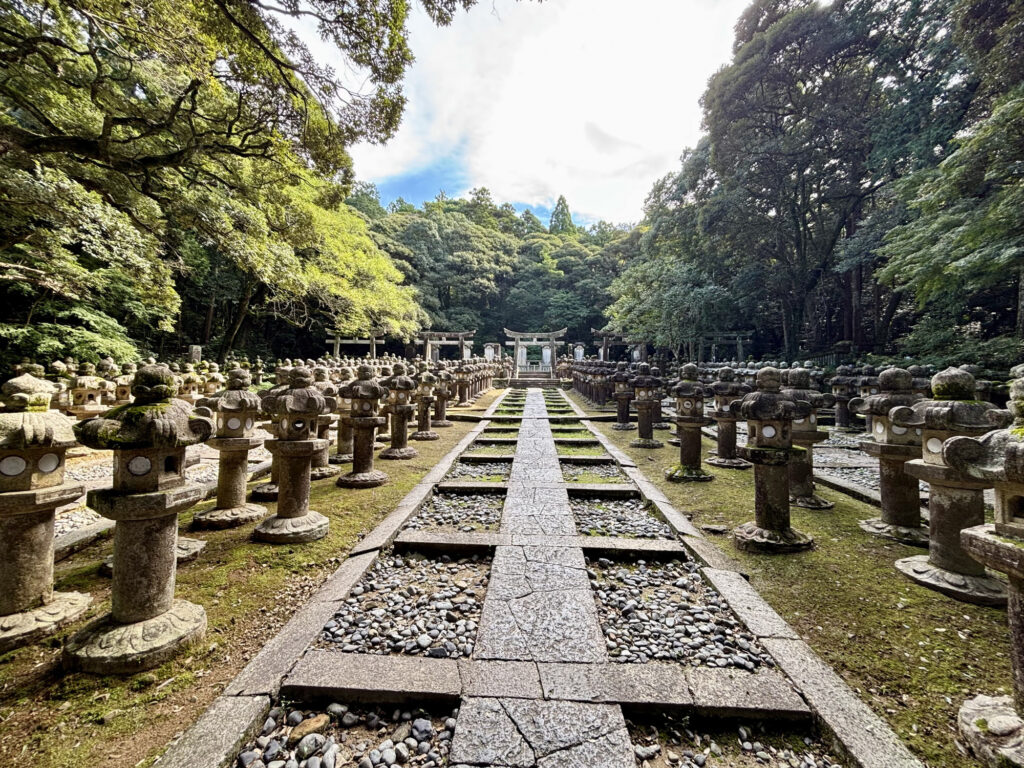
In addition, Hagi’s castle town and samurai districts are part of the UNESCO World Heritage Site “Sites of Japan’s Meiji Industrial Revolution,” reflecting the city’s important role in Japan’s modern history.
For these reasons, Hagi stands out as a truly rare destination—one where visitors can experience extensive historic townscapes and authentic Japanese culture without the crowds.
Hagi is also conveniently located about 1.5 hours from Hiroshima and Fukuoka, two cities that are popular among international travelers.
Through the experiences offered by Discover HAGI Tours, we hope visitors will discover the “Authentic Japan” that guidebooks rarely show.